
Brahmana Bhoj
Brahmana Bhoj is the sacred tradition of feeding Brahmanas and Vaishnava devotees with prasadam, which is food first offered to Lord Krishna. The Srimad Bhagavatam says the Lord is more pleased when His devotees eat than by offerings poured into the sacrificial fire. Families offer Brahmana Bhoj on birthdays, anniversaries, griha pravesh and other auspicious days.
By ISKCON KurukshetraGeneral0 comments
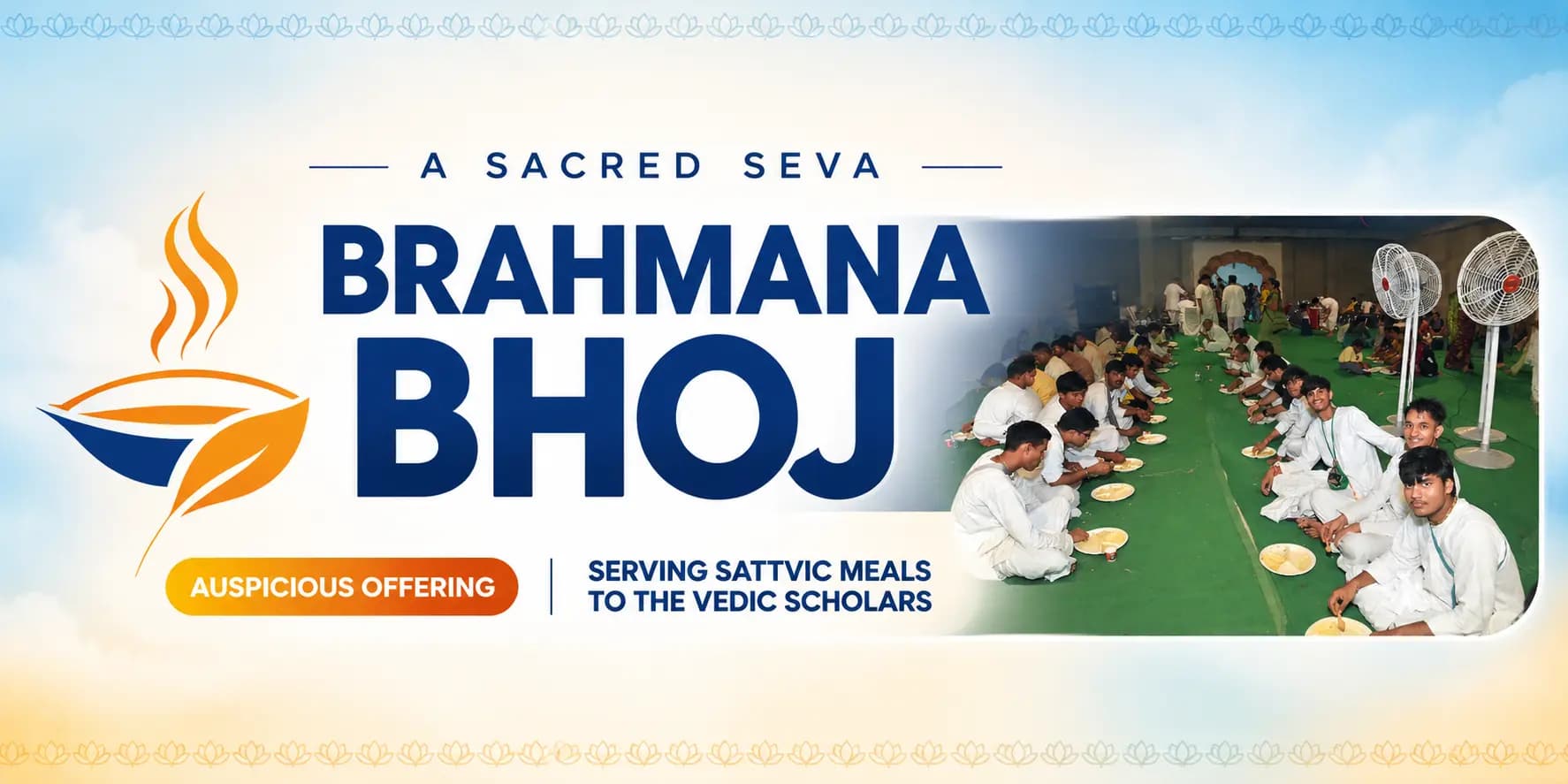
Think back to any big occasion in your grandparents' home. A naming ceremony, a new house, a wedding. Before the guests ate, someone made sure the pandit-ji and the visiting sadhus were seated and served first. Nobody called it a rule. It was simply how a blessed day began.
What Is Brahmana Bhoj?
Brahman Bhoj (also called Brahmana Bhoj or Brahm Bhoj) is a Hindu custom where a pure vegetarian (sattvic) meal is lovingly prepared and served to Brahmins. In Vedic tradition they are honoured as spiritual guides, or Bhudev (“gods on earth”), so serving them a meal is a way of seeking their blessings.
The Bhagavad Gita (18.42) defines a brahmana by qualities, not birth: peacefulness, self-control, austerity, purity, tolerance, honesty, knowledge and faith. At ISKCON, that describes the brahmacharis, pujaris and sadhus who chant, study and serve the Deities every day.
So Brahmana Bhoj is not just "giving food". You are personally hosting the Lord's devotees. They eat His prasadam, and their satisfaction becomes your blessing.
Brahmana Bhoj vs Annadaan: What's the Difference?
People often mix the two up. Both are beautiful sevas, but they serve different purposes.
Brahmana Bhoj | Annadaan | |
Who is fed | Brahmanas, Vaishnavas and sadhus | Anyone in need, without distinction |
Main purpose | To honour and please the Lord's devotees | To relieve hunger and share prasadam widely |
Spiritual focus | Seva to devotees, which the Lord accepts as seva to Himself | Compassion for all living beings |
Typical occasion | A personal milestone, offered with a sankalpa in the family's name | Any day, often in small regular amounts |
Where it is done | At home, or through a temple | Temples, kitchens, langars and relief drives |
Many families do both. They feed the community through Annadaan and honour the devotees through Brahmana Bhoj.
Why Is Brahmana Bhoj So Important?
You may have heard the old saying that the Lord has two mouths: the sacred fire and the brahmana. It isn't just folklore. It comes straight from Lord Vishnu's own words in the Srimad Bhagavatam.
1. The Lord tastes the food His devotees eat
"I do not enjoy the oblations offered by the sacrificers in the sacrificial fire, which is one of My own mouths, with the same relish as I do the delicacies overflowing with ghee which are offered to the mouths of the brahmanas who have dedicated to Me the results of their activities and who are ever satisfied with My prasada." — Srimad Bhagavatam 3.16.8
In other words, a plate of prasadam served to a sincere devotee reaches the Lord more directly than an elaborate fire yajna.
2. Serving devotees is higher than worship itself
"Although the Vedas recommend worship of demigods, the worship of Lord Vishnu is topmost. However, above the worship of Lord Vishnu is the rendering of service to Vaishnavas, who are related to Lord Vishnu." — Lord Shiva to Goddess Durga, Padma Purana, quoted in Chaitanya Charitamrita, Madhya 11.31
A parent is often happier when you care for their child than when you praise them directly. The Lord feels the same way about His devotees.
3. Prasadam purifies everyone it touches
"The devotees of the Lord are released from all kinds of sins because they eat food which is offered first for sacrifice." — Bhagavad Gita 3.13
In Brahmana Bhoj the food is cooked for Krishna, offered to Him, and then served to His devotees. It blesses everyone involved: the one who sponsors it, the one who cooks, the one who serves, and the one who eats.
Spiritual Benefits
The Lord is pleased. When you serve His devotees, He takes it as service to Himself.
You receive blessings. A satisfied devotee's blessing is considered very powerful for the family.
Your ancestors benefit. Feeding devotees in your ancestors' name is a traditional way to remember them with gratitude.
Your heart is purified. Serving others with humility softens pride, the biggest obstacle on the spiritual path.
When Should You Offer Brahmana Bhoj?
Any day is a good day to serve devotees. Still, most families connect Brahmana Bhoj to a moment they want to remember or bless.
Occasion | Why families choose it |
Birthday | To begin the new year of life with the blessings of devotees |
Wedding anniversary | To thank the Lord together and pray for a Krishna-centred home |
Griha pravesh | To make Krishna and His devotees the first guests of the new home |
New business, job or exam result | To offer the first success back to the Lord |
Child's naming, mundan or upanayana | To surround the child with saintly blessings from the start |
Death anniversary, shraddha or Pitru Paksha | To remember departed family members by feeding devotees in their name |
Ekadashi, Janmashtami, Kartik, Gita Jayanti | Seva on holy days is believed to give many times the benefit |
Brahmana Bhoj at Holy Places
Kurukshetra is called Dharmakshetra, the field of dharma, in the very first verse of the Bhagavad Gita. The Srimad Bhagavatam (Canto 10, Chapter 82) also describes Lord Krishna coming to Kurukshetra during a solar eclipse, where He and the Yadus bathed and gave charity to brahmanas.
Seva offered at a tirtha is traditionally believed to give many times the benefit. That is why many families travel to holy places like Kurukshetra, Vrindavan, Haridwar and Prayagraj to offer Brahmana Bhoj, especially in the name of their ancestors.
How Brahmana Bhoj Is Offered at ISKCON Kurukshetra
You don't need to arrange a cook, a venue or a guest list. The temple takes care of everything, and you take care of the intention.
Choose your seva. Pick the Brahmana Bhoj Seva or another Bhoj option on the Sadhu Seva page.
Share your details. Tell us your name, the occasion, the preferred date, and the names of anyone the seva is offered for.
Sankalpa. A sankalpa is made in your family's name.
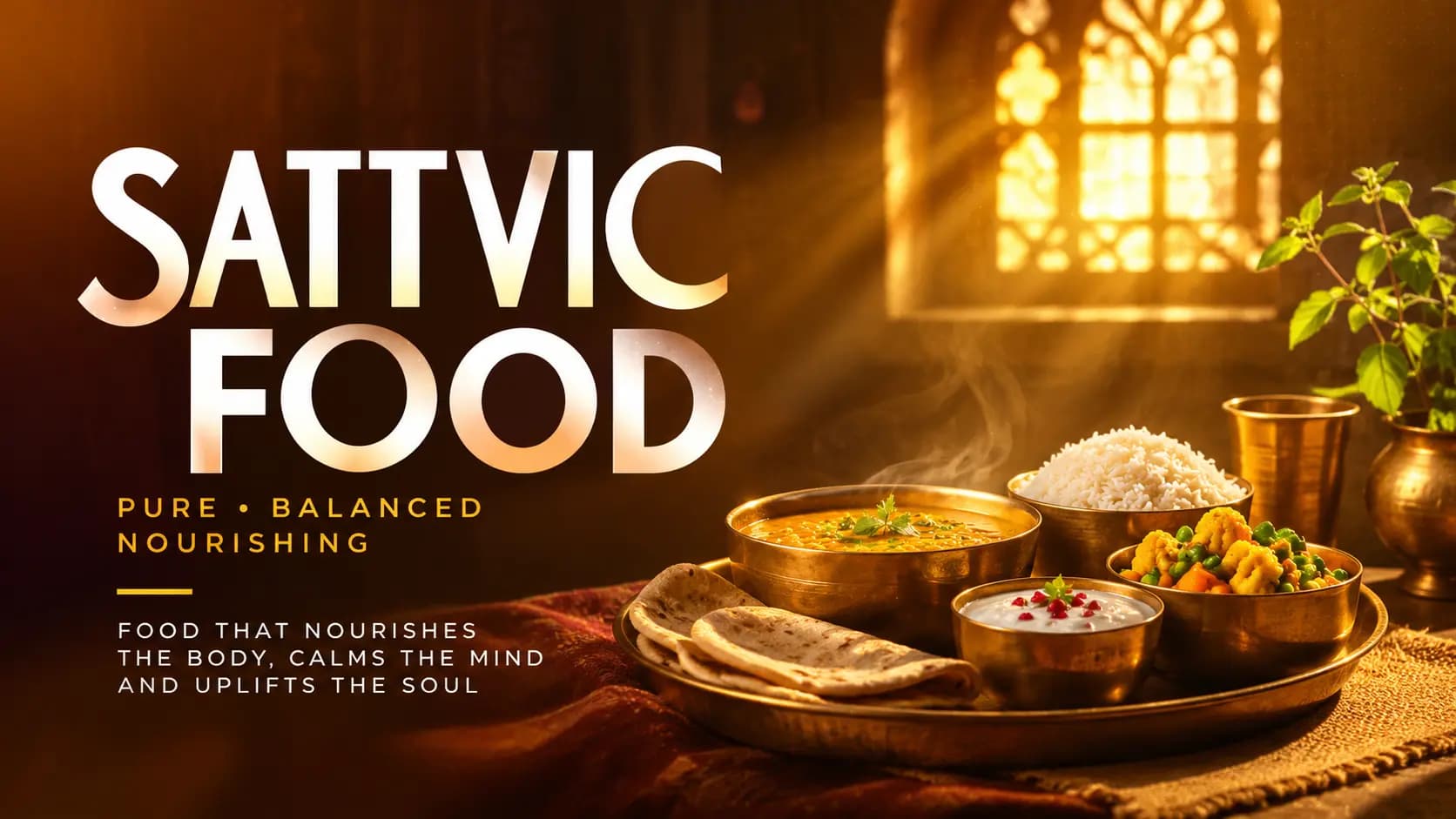
Cooking for Krishna. Our temple kitchen prepares fresh, sattvic prasadam, with no onion, garlic, meat or eggs.
Offering to the Deities. The meal is first offered to the Lord, which turns it into prasadam.
Serving the devotees. The prasadam is lovingly served to the temple's brahmacharis, pujaris and sadhus. [Editor: confirm whether donors can attend in person and whether photos are shared.]
Rules of Brahmana Bhoj: Dos and Don'ts
Do:
Cook sattvic food and offer it to Krishna before serving.
Invite devotees with respect, and seat them comfortably.
Serve them before your family eats.
Serve generously, and keep refilling until they are satisfied.
Offer dakshina humbly, with folded hands. Cloth, a book or a small sum are all traditional.
Don't:
Don't use onion, garlic, meat, eggs or alcohol in the kitchen that day.
Don't serve leftover or stale food.
Don't rush your guests or talk about the cost.
Don't treat it as a show. A few devotees served with love is worth more than a grand feast served with pride.
Frequently Asked Questions
Q. What is the meaning of Brahmana Bhoj?
Brahmana Bhoj means a meal offered to Brahmanas. In the Vaishnava tradition, it means serving sanctified food (prasadam) to devotees who have dedicated their lives to Lord
Q. How many Brahmanas should be fed in Brahmana Bhoj?
Families traditionally feed 1, 5, 11, 21 or 108 Brahmanas, depending on their means and custom. The Vaishnava view is that sincerity matters more than numbers. At a temple, one seva can feed hundreds of devotees for a full day.
Q. What food is served in Brahmana Bhoj?
The food is fresh, sattvic and first offered to Krishna. A typical meal has rice, dal, a seasonal sabzi, puri or roti, and a sweet such as kheer or halwa. Onion, garlic, meat and eggs are never used.
Q. Can Brahmana Bhoj be done for ancestors?
Yes. Many families offer Brahmana Bhoj on a death anniversary, during Pitru Paksha or on Amavasya, in the name of departed loved ones. Feeding the Lord's devotees in their memory is a traditional way of showing gratitude to them.
Q. Can I offer Brahmana Bhoj on behalf of someone else?
Yes. You can offer it in the name of a parent, spouse, child or friend, for their birthday, recovery, success or memory. Just share their name when you offer the seva.
Q. Is dakshina necessary in Brahmana Bhoj?
Offering a small dakshina after the meal is a respectful tradition when you host at home. When you offer the seva through ISKCON Kurukshetra, the temple handles the full arrangement.
Hare Krishna Spiritual Journey
Seek the Divine.
Transform Your Soul.
Join the ISKCON KKR community — embrace bhakti, serve with love, and discover your eternal purpose.
About the Author
ISKCON Kurukshetra
A team of devotees dedicated to sharing the timeless wisdom of Vedic scriptures and the teachings of Lord Krishna for the benefit of all seekers.
Our mission is to spread the message of Bhagavad Gita and Srila Prabhupada’s teachings with authenticity and devotion.
Comments