
Chaturmas
Chaturmas 2027 begins on Wednesday, 14 July 2027 (Devshayani Ekadashi) and ends on Wednesday, 10 November 2027 (Devuthani or Prabodhini Ekadashi). Chaturmas, also written Chaturmasya, is the sacred four-month period of the monsoon when Lord Vishnu is believed to rest in yoga nidra. Devotees spend these months in fasting, prayer, charity and simple living.
By ISKCON KurukshetraFestivals0 comments
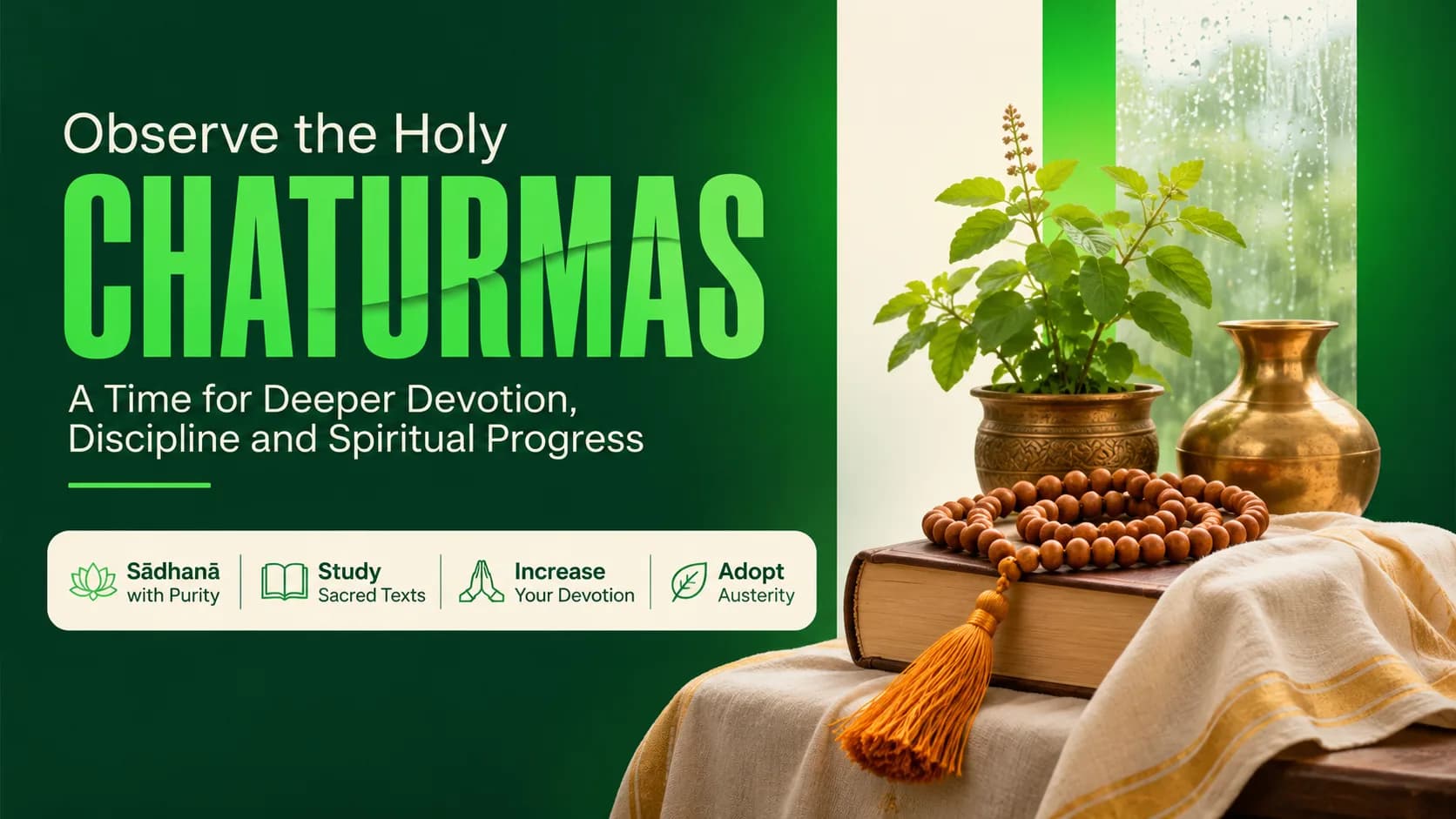
Chaturmas 2027 begins on Wednesday, 14 July 2027 (Devshayani Ekadashi) and ends on Wednesday, 10 November 2027 (Devuthani or Prabodhini Ekadashi). Chaturmas, also written Chaturmasya, is the sacred four-month period of the monsoon when Lord Vishnu is believed to rest in yoga nidra, and devotees take up fasting, prayer, charity and simple living.
The 2026 Chaturmas ran from Saturday, 25 July to Saturday, 21 November 2026. If you are planning a vow, a pilgrimage or a family function, the dates and rules below will help you prepare.
Chaturmas Dates for 2026 and 2027
Year | Begins (Devshayani Ekadashi) | Ends (Devuthani Ekadashi) |
|---|---|---|
2027 | Wednesday, 14 July 2027 | Wednesday, 10 November 2027 |
2026 | Saturday, 25 July 2026 | Saturday, 21 November 2026 |
We have taken these dates from the Delhi panchang used across North India. Ekadashi can begin a few hours earlier or later where you live, so confirm the day with your family pandit or nearby temple before you start your vrat.
What is Chaturmas?
Meaning of the word Chaturmas
The word comes from Sanskrit: chatur means four and masa means month. Chaturmas is the four lunar months from Ashadha Shukla Ekadashi to Kartika Shukla Ekadashi, which fall roughly between July and November. These months are Shravan, Bhadrapad, Ashwin and Kartik, with the closing days of Ashadha at the start.
How long does Chaturmas last?
In years with an extra month (Adhik Maas) inside this window, Chaturmas stretches to about five months. This happened in 2023, when Adhik Shravan made the period run from late June to late November.
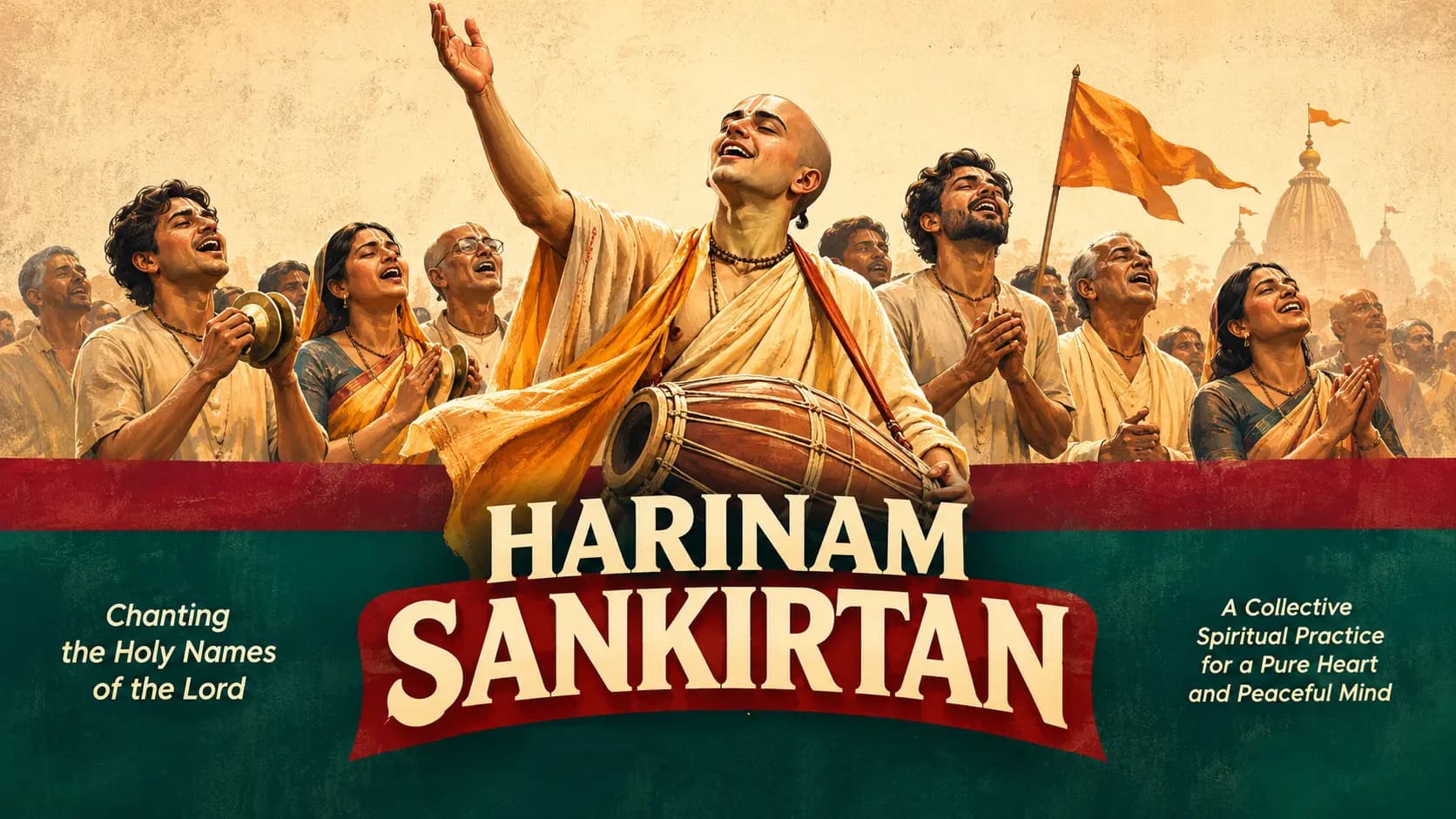
Also Read: https://iskconkurukshetra.org/harinam-sankirtan/
Why Does Lord Vishnu Sleep During Chaturmas?
Lord Vishnu's yoga nidra
According to the Puranas, Lord Vishnu goes into yoga nidra, a divine sleep, on the serpent Shesha in the Ocean of Milk (Kshir Sagar) on Devshayani Ekadashi. He wakes on Prabodhini Ekadashi, four months later. Shayani means lying down and prabodhini means awakening, which is why the two Ekadashis carry these names.
The story of King Bali
A popular story links this to King Bali. When Vishnu, as Vamana, took the three worlds from Bali in three steps, he was pleased by the king's humility and promised to stay with him in Patala. Lakshmi later won him back, and Vishnu agreed to spend four months of every year with Bali. Many devotees see Chaturmas as that time.
Lord Shiva and the month of Shravan
Another common belief is that Lord Shiva looks after creation while Vishnu rests. This is one reason Shravan, the first full month of Chaturmas, is so closely tied to Shiva worship, Shravan Somvar fasts and the Kanwar Yatra.
Significance of Chaturmas
Chaturmas is a season for turning inward. The rains make travel hard, the body digests food more slowly and illness spreads more easily. Over centuries, the tradition turned these months into a time for discipline, study and devotion.
For householders
It is a time to take a small vow, such as giving up a food, chanting a fixed number of rounds or reading a scripture every day.
For sannyasis and monks
It is a time to stop wandering and stay in one place. Many sannyasis begin their Chaturmasya vrat on Guru Purnima (Vyasa Purnima), and devotees gather to hear their teachings. You can support the sadhus who stay and serve at ISKCON Kurukshetra through Sadhu Seva.
Festivals that fall in Chaturmas
Chaturmas holds many of the biggest festivals of the year: Guru Purnima, Raksha Bandhan, Krishna Janmashtami, Ganesh Chaturthi, Pitru Paksha, Navratri, Dussehra, Diwali and Chhath all fall within it.
The Puranas say that a vow kept during Chaturmas brings far greater merit than the same act done at another time. Even a small, steady practice is valued more than a large one that is dropped halfway.
Chaturmas Food Rules
What to avoid each month
The best known Chaturmas diet follows a month-by-month pattern. Each month, one food is given up. Many Vaishnava families and ISKCON temples follow it this way:
Month | Approximate time | Food to avoid |
|---|---|---|
1st month (Shravan) | July to August | Leafy green vegetables (saag) such as spinach and methi |
2nd month (Bhadrapad) | August to September | Curd (dahi) and yogurt |
3rd month (Ashwin) | September to October | Milk |
4th month (Kartik) | October to November | Urad dal and other heavy pulses |
Foods avoided for all four months
Across all four months, many people also avoid onion, garlic, meat, eggs, alcohol, brinjal and very oily or stale food. Some eat only one meal a day (ekbhukt). Families differ, so follow the practice of your own sampradaya or ask your guru or temple priest.
Why these food rules make sense
There is practical sense behind the rules. Leafy vegetables are harder to clean and more likely to carry insects and germs in the rains. Digestion is weaker in humid weather, so lighter, freshly cooked sattvic food is easier on the body.
What is Prohibited During Chaturmas?
Because Lord Vishnu is resting, auspicious life events (shubh karya) are traditionally put off until he wakes. During Chaturmas, families usually avoid:
Weddings and engagements
Griha pravesh (moving into a new house)
Mundan (first haircut) and the sacred thread ceremony (upanayan)
Starting construction of a house or buying land, in some families
Non-vegetarian food, alcohol and tamasic food
Festivals, pujas, fasts, charity and pilgrimages continue as usual. Daily worship is encouraged, so Chaturmas is a slower season for celebrations, while worship goes on as normal.
What to Do During Chaturmas?
Daily practices
You do not have to follow every rule to observe Chaturmas well. Choose what you can keep for four months. Common practices include:
Chanting the names of God, such as the Hare Krishna maha mantra or "Om Namo Bhagavate Vasudevaya", every day
Reading the Bhagavad Gita, Srimad Bhagavatam, Ramayana or Vishnu Sahasranama
Fasting on every Ekadashi, and on Shravan Mondays for Shiva devotees
Worshipping Tulsi and offering a lamp to her in the evening
Giving food, clothes or money to the needy, and feeding cows
Offering a ghee lamp (deep daan) every evening of Kartik month
Sleeping on the floor, speaking less and keeping celibacy, for those who take a stricter vow
How to take your Chaturmas vow
Before you begin, decide on your vow clearly on Devshayani Ekadashi, or on Guru Purnima if your tradition starts then. Choose a vow small enough to carry through all four months, because a promise kept until Kartik means more than a big one left halfway.
How Chaturmas Begins and Ends
Devshayani Ekadashi: the beginning
Chaturmas opens on the Shukla Paksha Ekadashi of Ashadha month. Depending on the region, people know this day as Devshayani, Ashadhi, Hari Shayani or Padma Ekadashi. Devotees fast, worship Lord Vishnu and put him to rest with prayers. In Maharashtra, it is the day lakhs of warkaris complete the Pandharpur Wari and reach the Vitthal temple.
Devuthani Ekadashi: the end
Devuthani Ekadashi, also called Prabodhini Ekadashi or Dev Uthani Gyaras, falls on the eleventh day of the bright half of Kartik. Devotees wake the Lord with bells, conch shells and kirtan. Tulsi Vivah, the ceremonial marriage of Tulsi with Shaligram or Lord Krishna, is held on this day or the next, and it opens the Hindu wedding season once again.
Chaturmas in Other Traditions
Chaturmas in Jainism
In Jainism, Chaturmas is called Varshavas or Varshayog. Jain monks and nuns, who otherwise walk from place to place, stay in one town for the four rainy months. The reason is ahimsa: the rains bring out countless insects and small creatures, and walking on wet ground would harm them.
The local community hosts the monks, and lay followers spend more time on fasting, prayer and listening to discourses. The holiest days of the Jain year, Paryushan for Shvetambaras and Das Lakshan Parva for Digambaras, fall in Bhadrapad. They end with Samvatsari or Kshamavani, when Jains ask forgiveness of everyone with the words "Micchami Dukkadam".
Chaturmas in Buddhism
Buddhists keep a similar rainy season retreat called Vassa. Monks stay in their monasteries for about three months for study and meditation. The retreat ends with Pavarana and is followed by the Kathina festival, when lay people offer robes to the monks.
Frequently asked questions
Q. When does Chaturmas start in 2027?
Chaturmas 2027 starts on Wednesday, 14 July 2027 with Devshayani Ekadashi and ends on Wednesday, 10 November 2027 with Devuthani Ekadashi.
Q. Does Chaturmas happen every year?
Yes. Chaturmas comes every year during the monsoon, from Ashadha Shukla Ekadashi to Kartika Shukla Ekadashi. The English dates change each year because the Hindu calendar follows the moon.
Q. Can we get married during Chaturmas?
Traditionally, no. Weddings, griha pravesh and other auspicious ceremonies are put off until Devuthani Ekadashi, after which the wedding season begins again with Tulsi Vivah.
Q. Can we eat onion and garlic during Chaturmas?
Many devotees give up onion and garlic for all four months because they are considered tamasic. It is a personal vow and family custom, so you can follow what your tradition teaches.
Q. What happens if I break my Chaturmas vow?
Do not lose heart. Most teachers advise you to pray for forgiveness, take up the vow again the next day and continue. Steady effort matters more than a perfect record.
Hare Krishna Spiritual Journey
Seek the Divine.
Transform Your Soul.
Join the ISKCON KKR community — embrace bhakti, serve with love, and discover your eternal purpose.
About the Author
ISKCON Kurukshetra
A team of devotees dedicated to sharing the timeless wisdom of Vedic scriptures and the teachings of Lord Krishna for the benefit of all seekers.
Our mission is to spread the message of Bhagavad Gita and Srila Prabhupada’s teachings with authenticity and devotion.
Comments