Dussehra: Date, History, Significance & Celebrations
Dussehra is a festival of Hinduism that honours the triumph of good over evil. Dussehra in 2026 will be observed on Tuesday October 20. Dussehra, or Vijayadashami, commemorates the triumph of Goddess Durga over Mahishasura and also the triumph of Lord Rama over Ravana.
Dussehra is a festival of Hinduism that honours the triumph of good over evil. Dussehra in 2026 will be observed on Tuesday October 20. Dussehra, or Vijayadashami, commemorates the triumph of Goddess Durga over Mahishasura and also the triumph of Lord Rama over Ravana. The festival is observed by means of prayers, Ramlila, Ravana Dahan and other customised rituals. Dussehra also ends Navratri and is a festival that promotes valour, truth and dharma.
When Is Dussehra in 2026?
Dussehra 2026 will be on Tuesday, October 20. Dussehra is also called Vijayadashami. Vijayadashami commemorates the victory of good over evil. Dussehra falls on the tenth day of Shukla Paksha in the month of Ashwin in the Hindu calendar.
Dussehra comes after nine days of Sharad Navratri. Navratri consists of worship of the nine incarnations of Goddess Durga. The tenth day celebrates the triumph of good over bad.
The festival is celebrated on a different day every year. This is because Dussehra is a Hindu lunar based festival. Dasara is celebrated by prayers, family reunions, cultural programmes, temple visits and prayers. Public programs and fairs are also conducted by various communities.
History and Mythological Significance of Vijayadashami
Dassahra is associated with two major Hindu epics. The first is the epic of Lord Rama defeating Ravana. The second is the defeat of the demon Mahishasura at the hands of Goddess Durga.
Victory of Lord Rama over Ravana
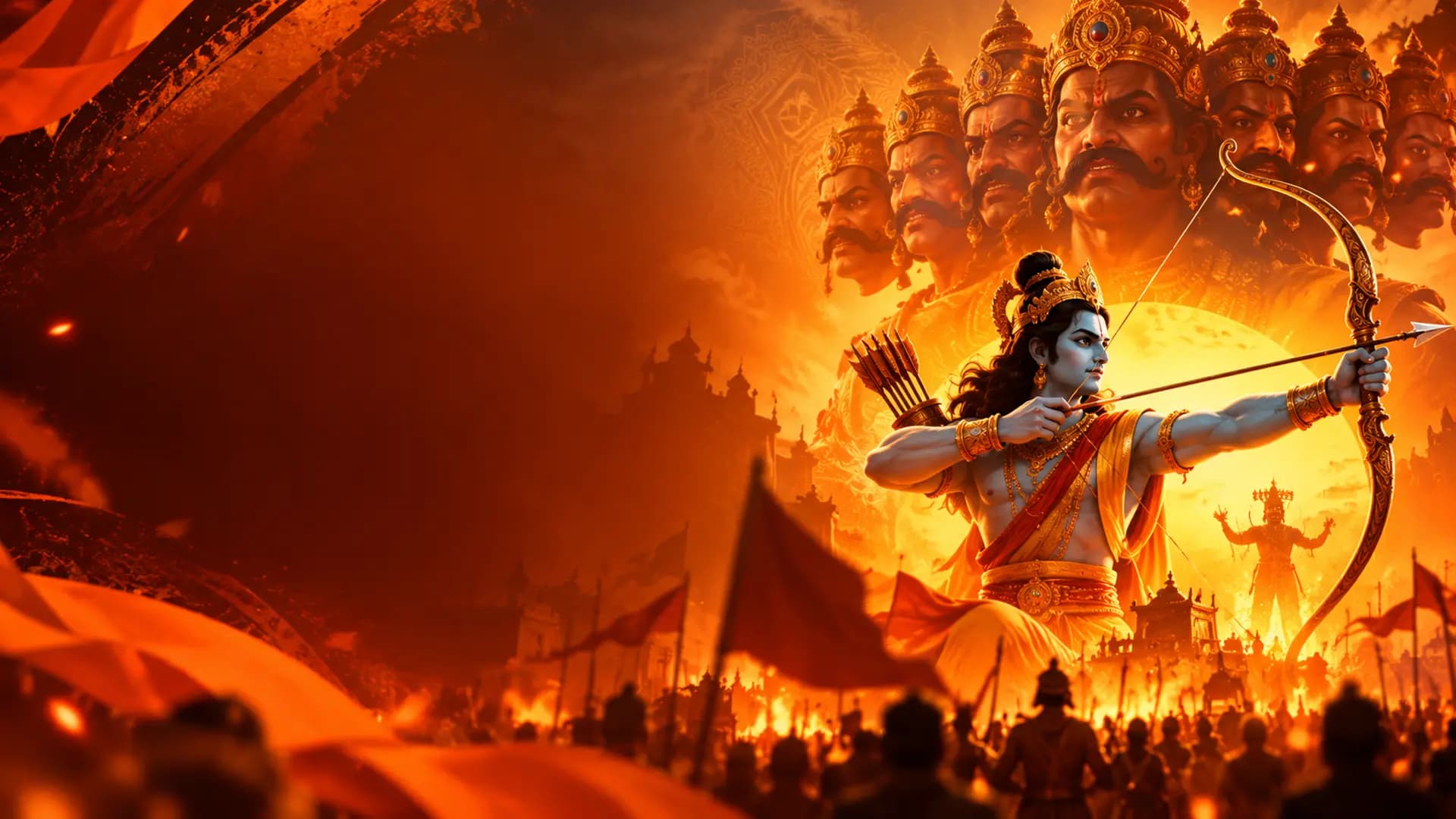
According to the Ramayana, Ravana was the king of Lanka. He abducted Goddess Sita, the wife of Lord Rama. Rama set out to rescue her with the help of Lakshmana, Hanuman, and the Vanara army.
Lord Rama fought against Ravana in battle and eventually defeated him. He then returned Sita to her. This victory is observed during Dussehra and reflects good defeating evil.
Ravana's fall also imparted a lesson on ego. Ravana was powerful and well informed, but through his actions he lost his power. The narrative provides a lesson on the need to use intelligence and strength in conjunction with moral values.
Goddess Durga's Victory Over Mahishasura
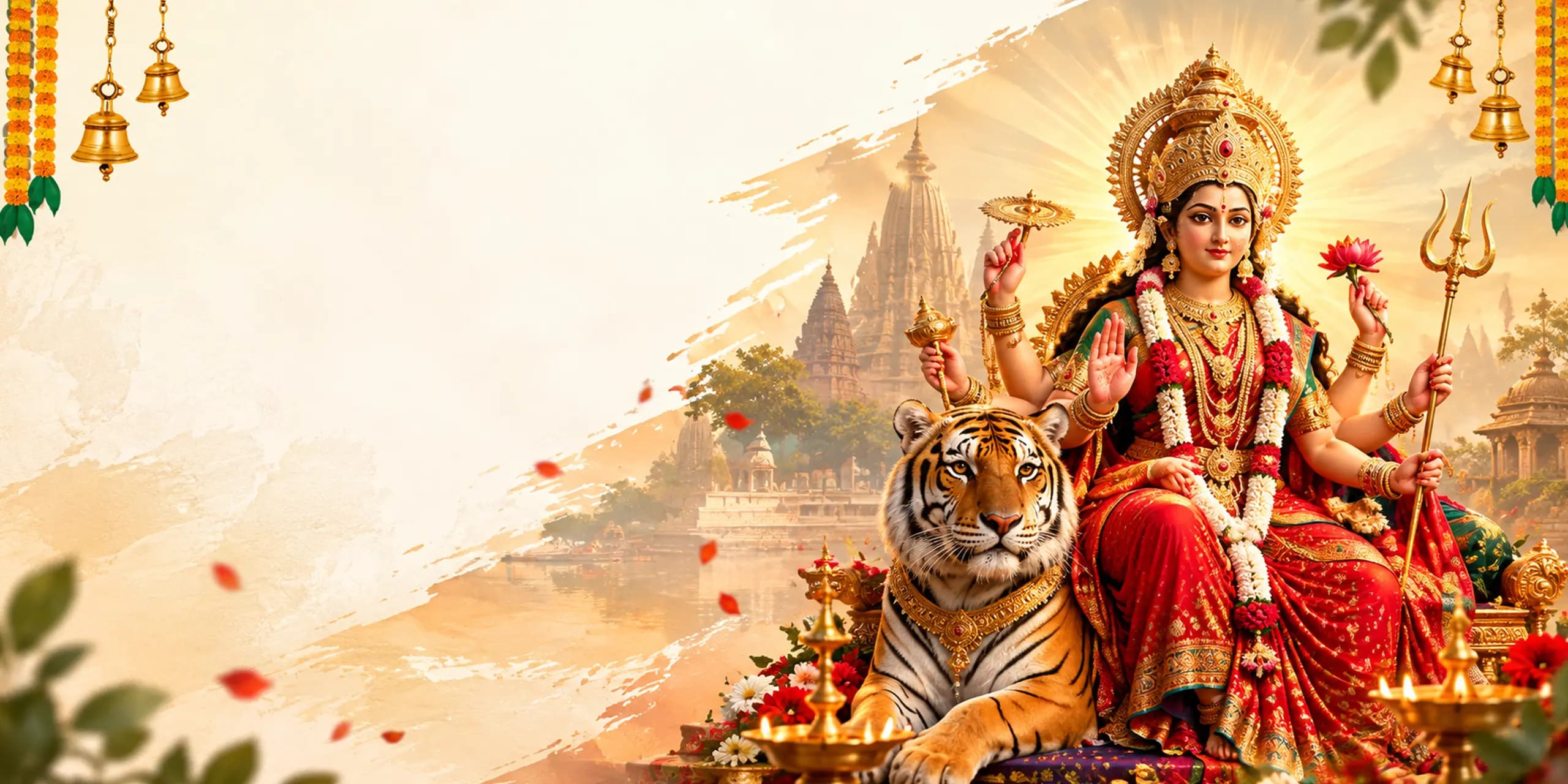
There is another significant tale of Durga Devi defeating the demon Mahishasura. In this narrative Mahishasura has become a tyrannical force in the world.
Durga Devi enters into combat with Mahishasura in order to defeat this force and protect the world. Durga Devi's triumph over Mahishasura signifies the triumph of dharma and divine power.
Dussehra is celebrated in connection with the closure of Durga Puja and to the adoration of the Goddess Durga in many regions of south and east India.
Both tales impart the same message that darkness or the evil might seem strong, but justice, valour and the truth are more spiritually important.
Festival Traditions Across Different States of India
Dussehra is celebrated in various forms across India. Every community has its own way of celebrating Dashāhra. It is a crucial element in the cultural and religious diversity that exists in India.
Ravan Dahan in North India: People gather to watch the burning of effigies of Ravana, Meghnath, and Kumbhakarna. This is often accompanied by performances during Ramlila which re-enact episodes from the Ramayana.
Durga Puja in West Bengal: Vijayadashami marks the end of Durga Puja. Idols of Goddess Durga are bid adieu while prayers and greetings are made.
Dasara Festival in Mysuru, Karnataka: Mysuru is famous for the majestic Dasara festival. There are parades, religious rituals, traditional processions, cultural events and illuminations.
Dussehra in Kullu Himachal Pradesh: Dussehra in Kullu is celebrated through cultural mela, local gods and processions. There are some regional-specific elements to the Dussehra celebration in Kullu.
Ayudha Puja practiced in the southern regions: Tool, instrument, vehicle, equipment and books are worshipped in many southern regions as a way to show thanks for the tools used in one's career and studies.
Worship of the Shami Tree: In some regions of India the Shami tree is worshipped and the leaves are offered as an emblem of luck and prosperity.
Spiritual Significance of Dussehra
Dussehra is not only about Goddess Durga and Lord Rama. Dushehra also imparts values of making right decisions, integrity and adherence to dharma.
Dussehra is about defeating evil by good. It also emphasizes standing for justice and rejecting wrong.
The story of Ravana emphasizes on the dangers of arrogance and its consequences. It also promotes respect for people and humility.
Rama's story emphasizes on valiance, patience and faith in trying difficult situations.
Dussehra promotes integrity towards people, fulfilling one's duties and adherence to right values.
The burning of Ravana signifies overcoming of egoism, greed, envy, and dishonesty in ones own life.
Ways to Celebrate with Devotion
Dussehra is also a festival that can be observed with faith, thanks and compassion. Following are few suggestions that can make Dussehra celebrations worthwhile
Go to a temple and pray to Lord Rama / Goddess Durga for health, strength and peace.
Read the Ramayana to gain knowledge on dharma, bravery, sincerity and devotion.
Go to a Ramlila and gain knowledge on the story of Lord Rama and the defeat of Ravana.
Celebrate Dussehra with family, by eating festive food, exchanging greetings and having fun.
Assist those in need by food donation, donating to charity or assisting those in distress.
Dussehra can be a festival to choose truth over darkness and do good. By doing good to others and maintaining these values in our lives we can continue to experience the essence of Vijayadashami year round.
Comments

When a person gives up all varieties of dharma and surrenders unto Me, I shall deliver him from all sinful reactions. Do not fear.
— Bhagavad Gita (18.66)
About the Author
ISKCON Kurukshetra
A team of devotees dedicated to sharing the timeless wisdom of Vedic scriptures and the teachings of Lord Krishna for the benefit of all seekers.
Our mission is to spread the message of Bhagavad Gita and Srila Prabhupada’s teachings with authenticity and devotion.