Daan on Death Anniversary
Some dates never leave us. The day we lost a parent or grandparent comes back every year, and with it come the memories: their voice, their habits, the little things they used to say.
By ISKCON KurukshetraGeneral0 comments
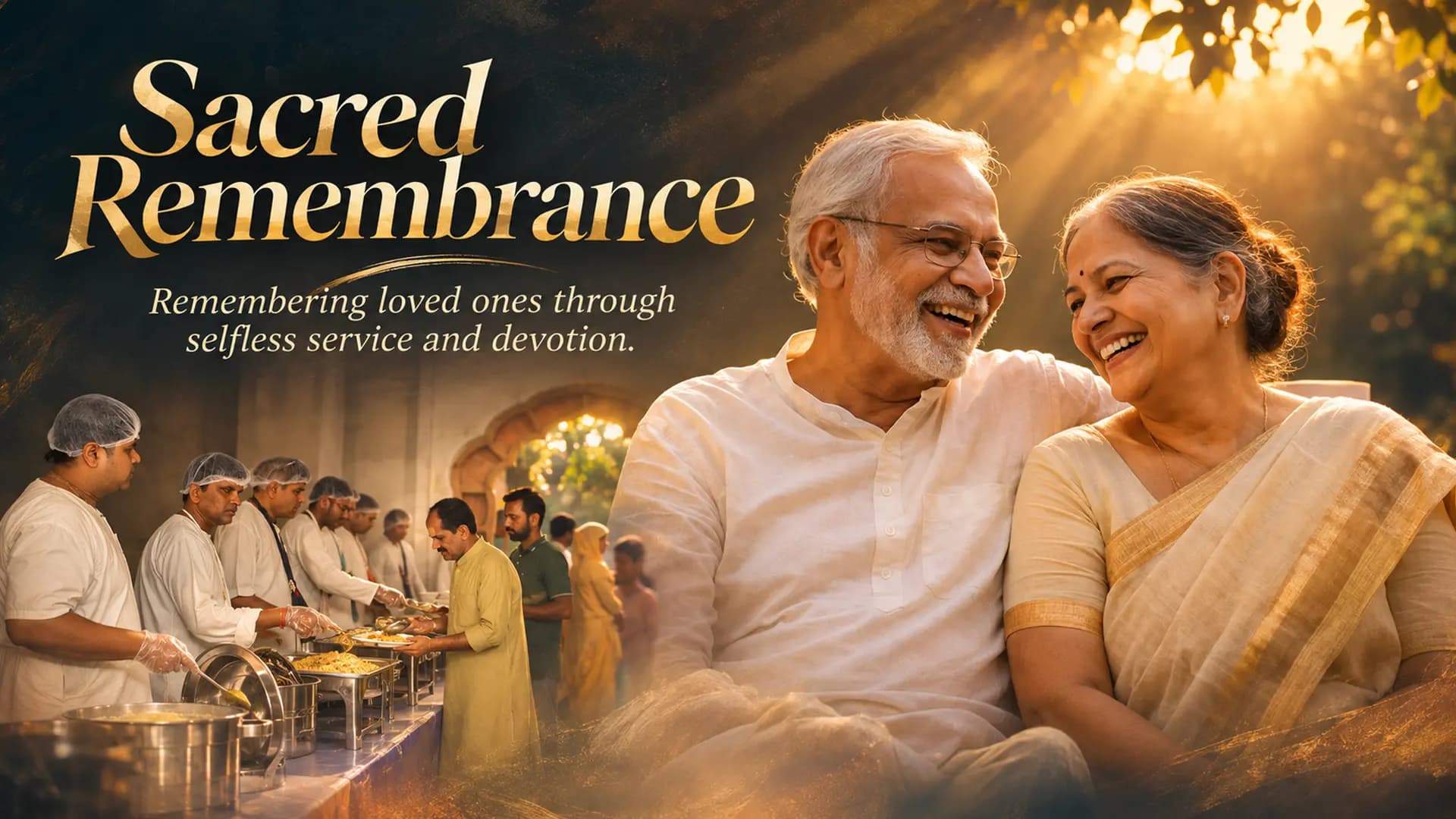
In Hindu tradition, this day is not meant for grief alone. It is a day to pray, remember and do something good in their name.
What is daan on a death anniversary?
Daan on a death anniversary is charity offered in memory of a departed family member on their Punya Tithi (also called Shradh Tithi or Barsi). It is done to pray for the soul's peace (Atma Shanti) and to earn punya for the family. Common forms are Anna Daan (food), Vastra Daan (clothes), Vidya Daan (education), Jal Daan (water), Gau Seva and Deep Daan.
Why Is Daan on Death Anniversary Important?
Daan simply means giving willingly, without expecting anything back. In the Bhagavad Gita (17.20), Lord Krishna calls this the purest kind of charity: given as a duty, at the right time and place, to someone who truly needs it.
A death anniversary is one of those right times. On this day, families pray, perform Shradh according to their customs, and give in the name of the person they lost.
There is an emotional side to it too. Grief needs somewhere to go. When you feed a hungry person or care for a cow on your father's or mother's tithi, the sadness slowly turns into gratitude. Their memory becomes tied to kindness, not only to loss.
What to Donate on a Death Anniversary
There is no single "right" donation. Choose what feels closest to your loved one's nature and what you can give with a happy heart.
1. Anna Daan (Food Donation)
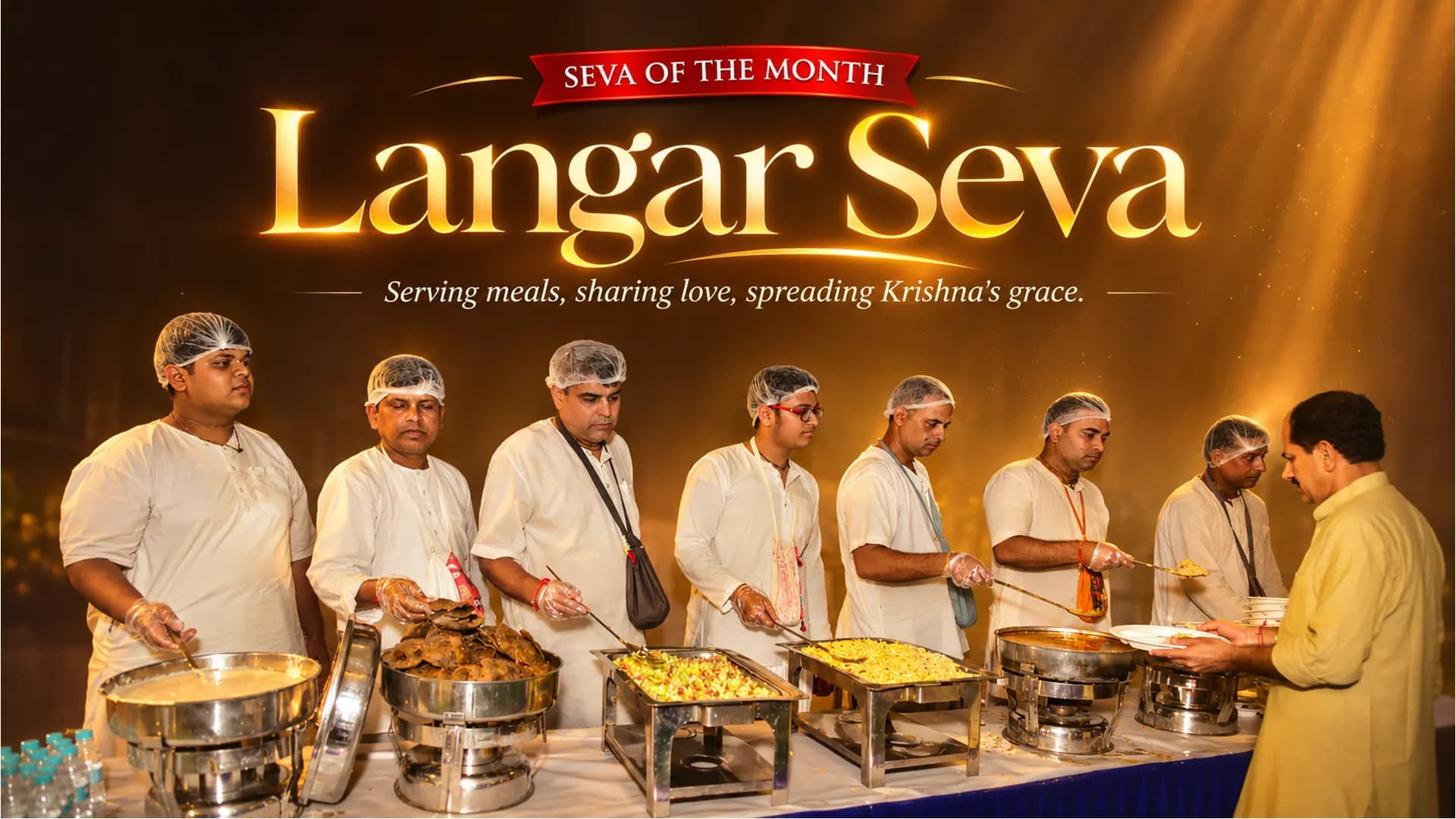
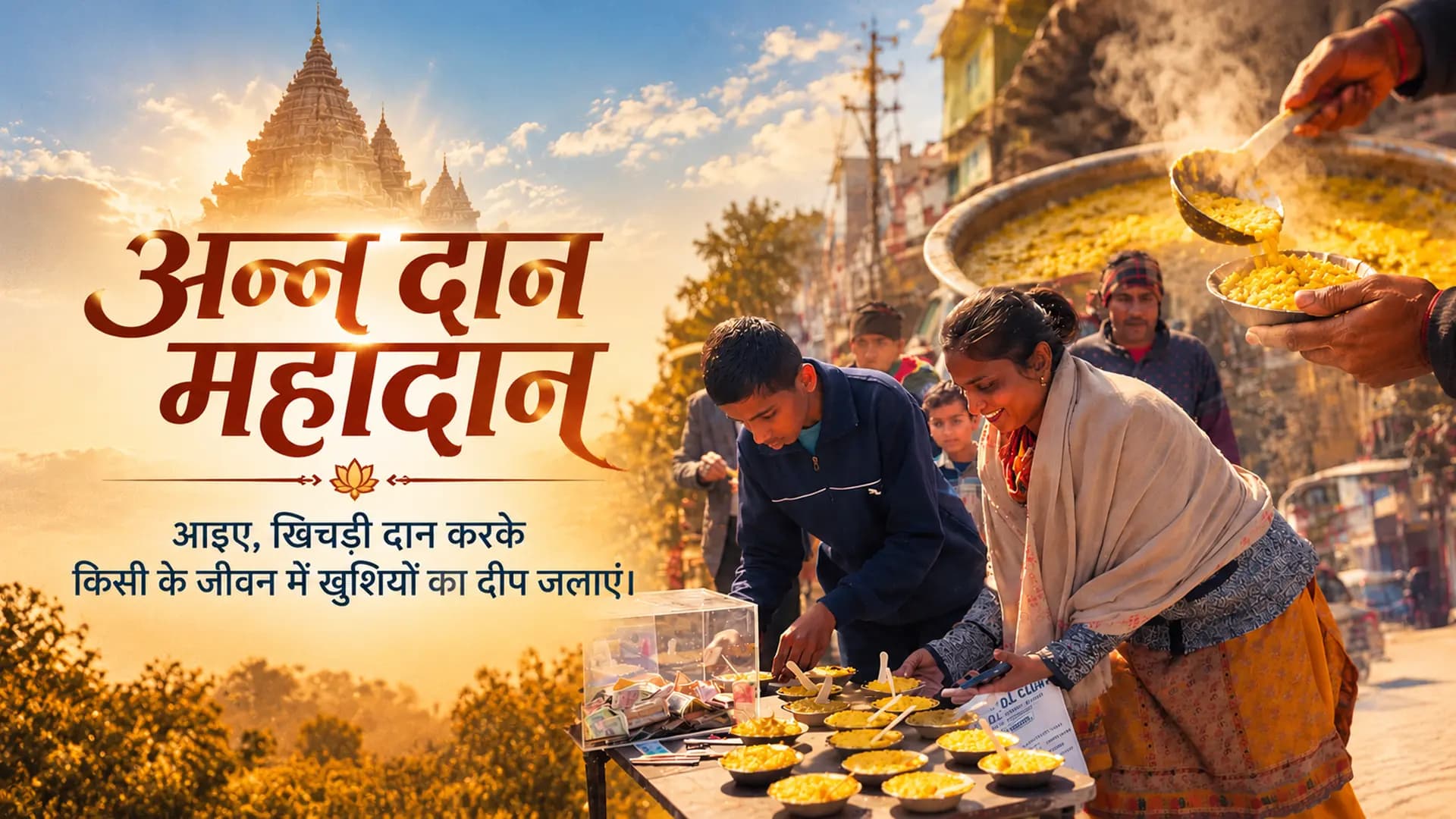
Food is the most basic need of every living being, which is why Annadaan seva is often called the greatest daan. You can cook and serve a meal at home, organise a bhandara, or support prasadam distribution at a temple.
2. Gita Daan
The Bhagavad Gita teaches that the soul is eternal and never dies. Gifting copies to students, families or a library shares that comfort with others. It is a fitting tribute if your loved one read the Gita or valued learning.
3. Gau Seva
The cow is honoured as a mother in Vedic culture and is dear to Lord Krishna. You can donate towards fodder, shelter or medical care at a gaushala, or feed cows yourself on the day.
4. Temple Seva
You can sponsor a puja, kirtan, bhog offering or other devotional programme in your loved one's name. This links your daan directly to the Lord's service.
5. Vastra Daan (Clothes and Daily Essentials)
Blankets in winter, clothes, ration kits and other basics are always needed. Give things in good condition; old or torn items do not honour the person you are remembering.
6. Vidya Daan (Education Support)
If your father believed in education, this is a lovely way to honour him. Pay a child's school fees, or donate books, uniforms and stationery to a school that needs them.
Death Anniversary vs Pitru Paksha: What Is the Difference?
Many families confuse the two. Both honour those who have passed, but they are observed differently.
Death anniversary (Punyatithi / Barsi) | Pitru Paksha | |
For whom | One specific person | All ancestors of the family |
When | Once a year, on that person's tithi | A 15-day period, usually in Bhadrapada–Ashwin |
Focus | Personal remembrance and daan | Shraddh, tarpan and pind daan |
You can offer daan on both. To learn about the fortnight of ancestors, read our guide on Pitru Paksha rituals and significance.
Why Choose Anna Daan on Punya Tithi?
Anna Daan turns remembrance into direct help. One meal can decide whether someone goes to bed hungry or not. It is also easy to involve the whole family. Children who serve food on a grandparent's tithi learn what sharing means, and they remember that grandparent through the act.
When the food is first offered to Lord Krishna, it becomes prasadam, and Vaishnava teachings say its spiritual benefit grows many times over. Temples like ISKCON Kurukshetra let families sponsor prasadam meals in a loved one's name. Above all, the feeling behind the daan matters more than the amount.
How to Perform Daan on the Death Anniversary of Parents
Know the date. Most families observe the lunar tithi of passing, which falls on a different calendar date each year. Check a panchang or ask your family priest.
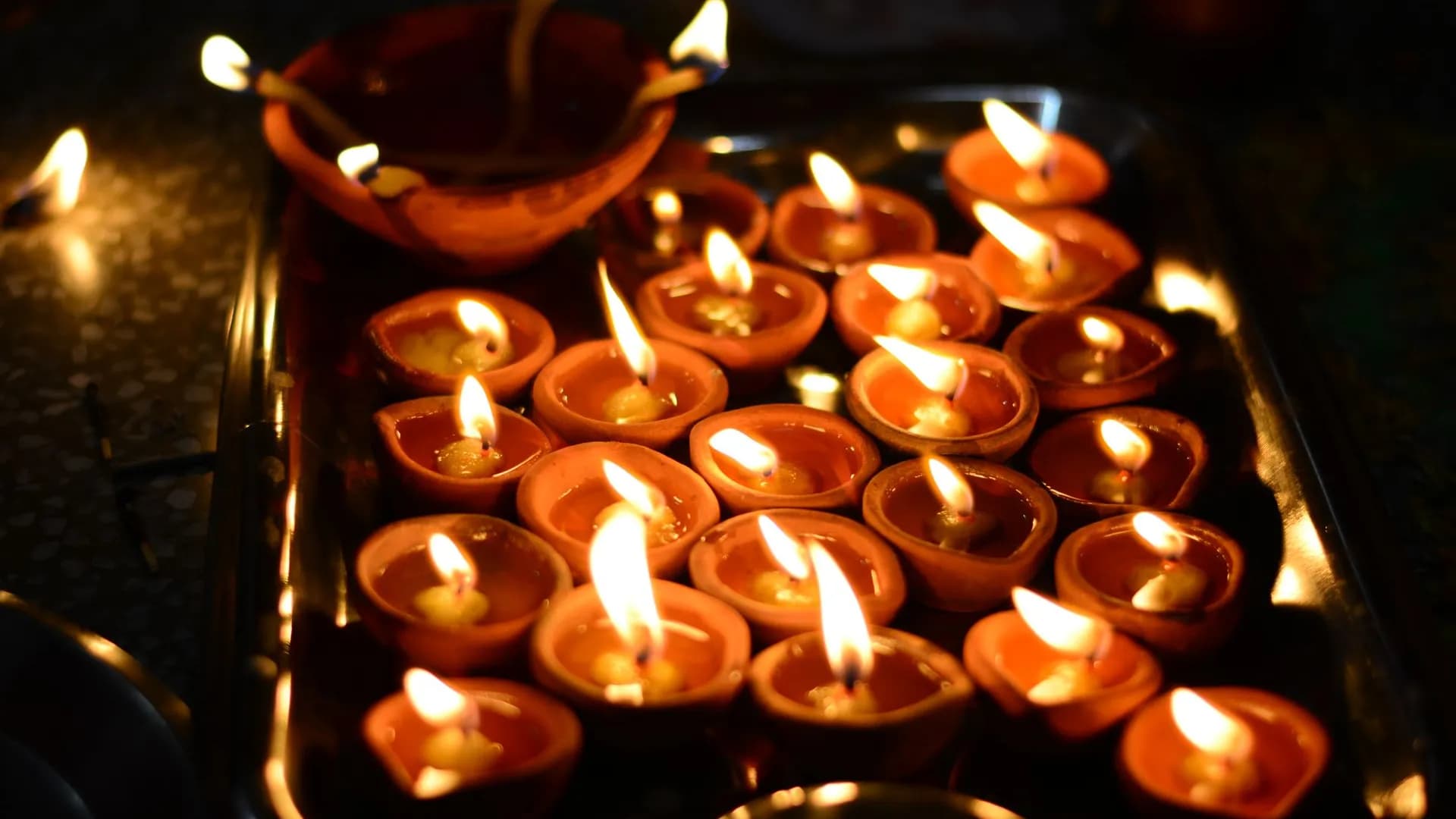
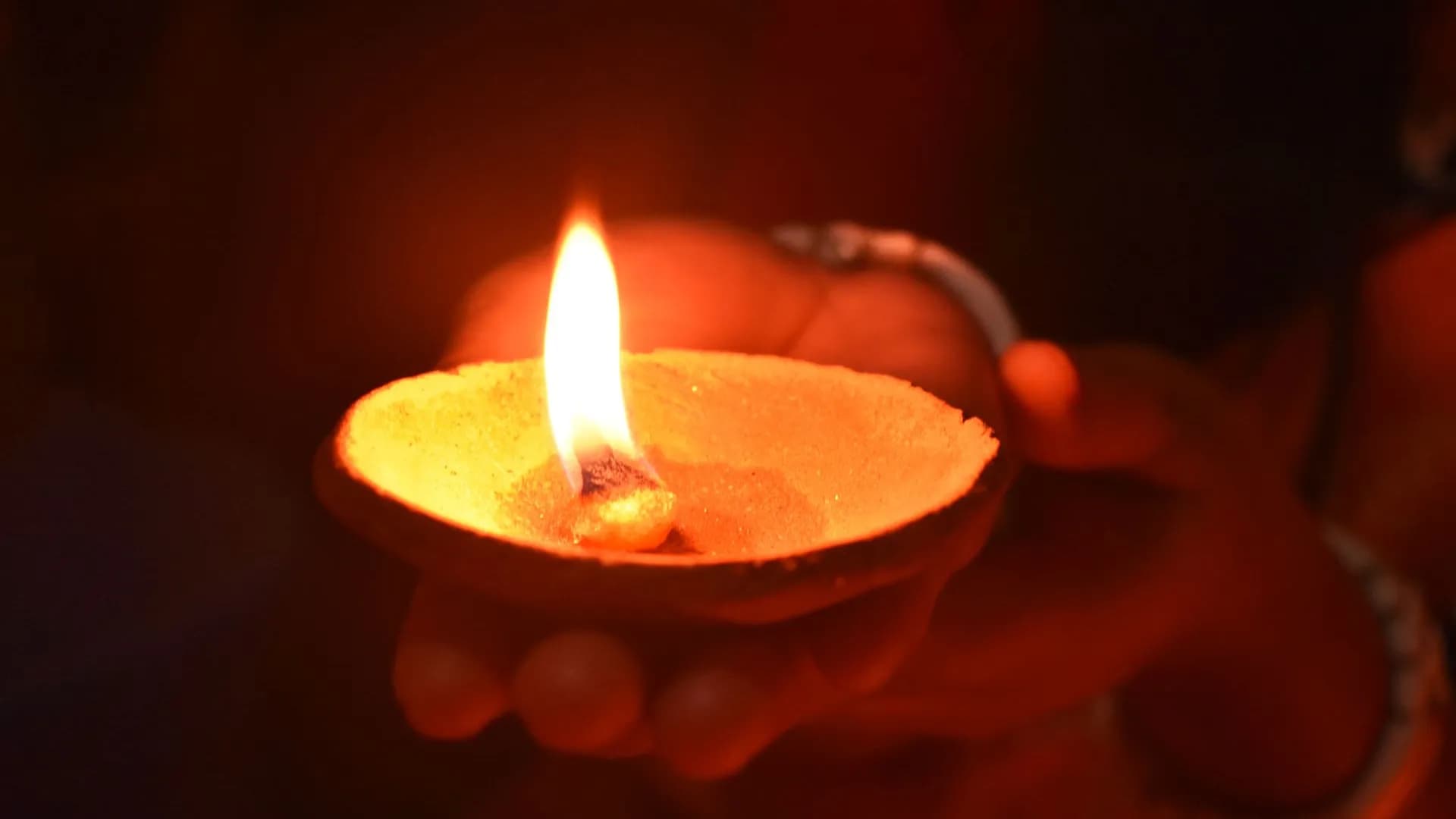
Start the day with remembrance. Bathe early and light a diya near their photo and pray according to your family custom.
Choose your daan. Anna Daan, Gau Seva, Gita Daan or anything close to their heart.
Give within your means. A small amount given happily is worth more than a large one given under pressure.
Take a sankalp. Say their name and pray for their peace as you give.
Live their values. The best tribute is carrying forward the honesty, kindness or patience they taught you.
Involve the whole family if you can. Shared seva keeps the memory alive for the next generation too.
Rituals Usually Performed on a Death Anniversary
Daan is often done together with a few traditional rites. Customs vary by family and region.
Following the tithi: The yearly Shradh or Barsi is fixed by the Hindu lunar calendar, not the English date.
Pind Daan and Tarpan: A priest guides family in offering pindas (rice balls) and water mixed with black sesame. This is done at home, a river or holy places like Gaya, Varanasi or Haridwar.
Shradh Bhojan: A simple sattvic meal is prepared, offered first to the Lord, and then served to Brahmins, cows, crows and the needy.
Living Away From Home? Offer Daan Online
Many families now live in another city or abroad. You can still observe the day. Many temples and trusts take your sankalp online, perform Anna Daan or Tarpan on your behalf, and share photos or a video afterwards. Choose a trusted organisation and ask for a receipt in your loved one's name.
People Also Ask
Q. Can I donate money on a death anniversary?
Yes. Money can go towards food distribution, gau seva, temple activities or education. Ask for a receipt that mentions your loved one's name.
Q. What pooja should be done on a death anniversary?
Families usually perform Shradh with Pind Daan and Tarpan, led by a priest. Many also do Vishnu pooja, chant the Hare Krishna mantra or read the Bhagavad Gita.
Q. What to bring during a death anniversary?
Bring a photo of your loved one, flowers, a ghee diya, incense, black sesame and rice. For daan, carry food, clothes, books or a donation.
Q. When to do barsi after death?
Barsi is done one year after death, usually on the same lunar tithi of the Hindu month. A panchang or family priest can confirm exact date.
Q. What should you do on a death anniversary?
Light a diya near their photo, pray or perform Shradh, offer food to the Lord, and do daan such as Anna Daan, Gau Seva or Vastra Daan in their name.
Hare Krishna Spiritual Journey
Seek the Divine.
Transform Your Soul.
Join the ISKCON KKR community — embrace bhakti, serve with love, and discover your eternal purpose.
About the Author
ISKCON Kurukshetra
A team of devotees dedicated to sharing the timeless wisdom of Vedic scriptures and the teachings of Lord Krishna for the benefit of all seekers.
Our mission is to spread the message of Bhagavad Gita and Srila Prabhupada’s teachings with authenticity and devotion.
Comments