

ISKCON Kurukshetra Blog
Wisdom That
Transforms Life
Explore timeless teachings, inspiring stories and practical insights to help you live with devotion, purpose and inner peace.
Explore Topics
Ekadashi
Clear filter ×
Ekadashi
Yogini Ekadashi 2025: Fasting, Parana Time, Meaning, Vrat Katha
This Year, Yogini Ekadashi will be celebrated on Sunday, June 22, 2025. According to the Vaishnava Calendar, the fast-breaking time (Parana) is on Monday, June 23, between 05:24 AM and 10:03 AM, as per ISKCON Kurukshetra timings.
4 min read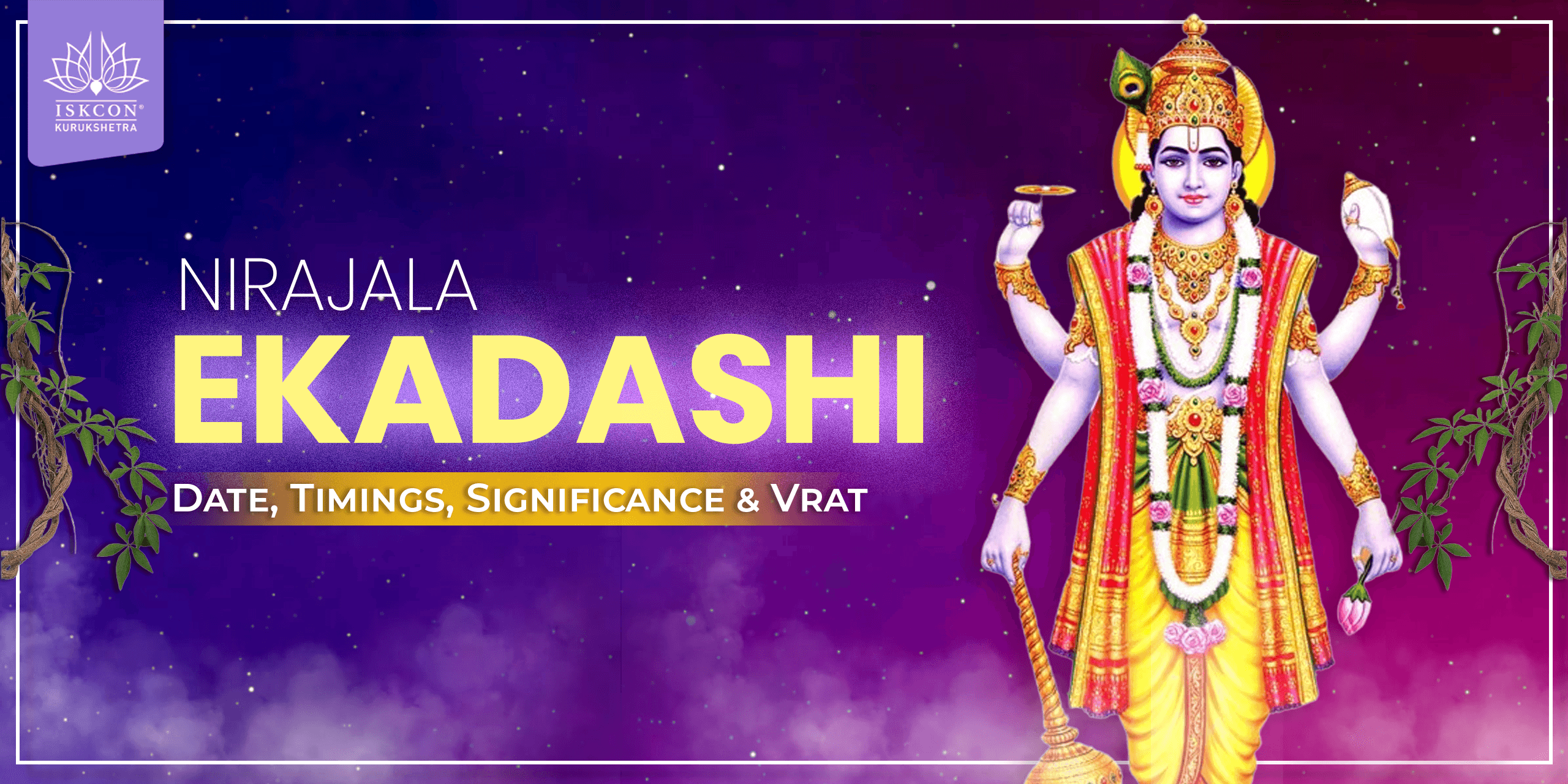
Ekadashi
Nirjala Ekadashi 2025: Date, Timings, Significance & Vrat
In the Vaishnava calendar, there are 24 holy Ekadashis, and Nirjala Ekadashi is known to be extremely tough to observe but very spiritually rewarding. Fast days on Ekadashi have transformed people’s lives for over a thousand years, as this special day gives the same benefits as all the others combined.
9 min read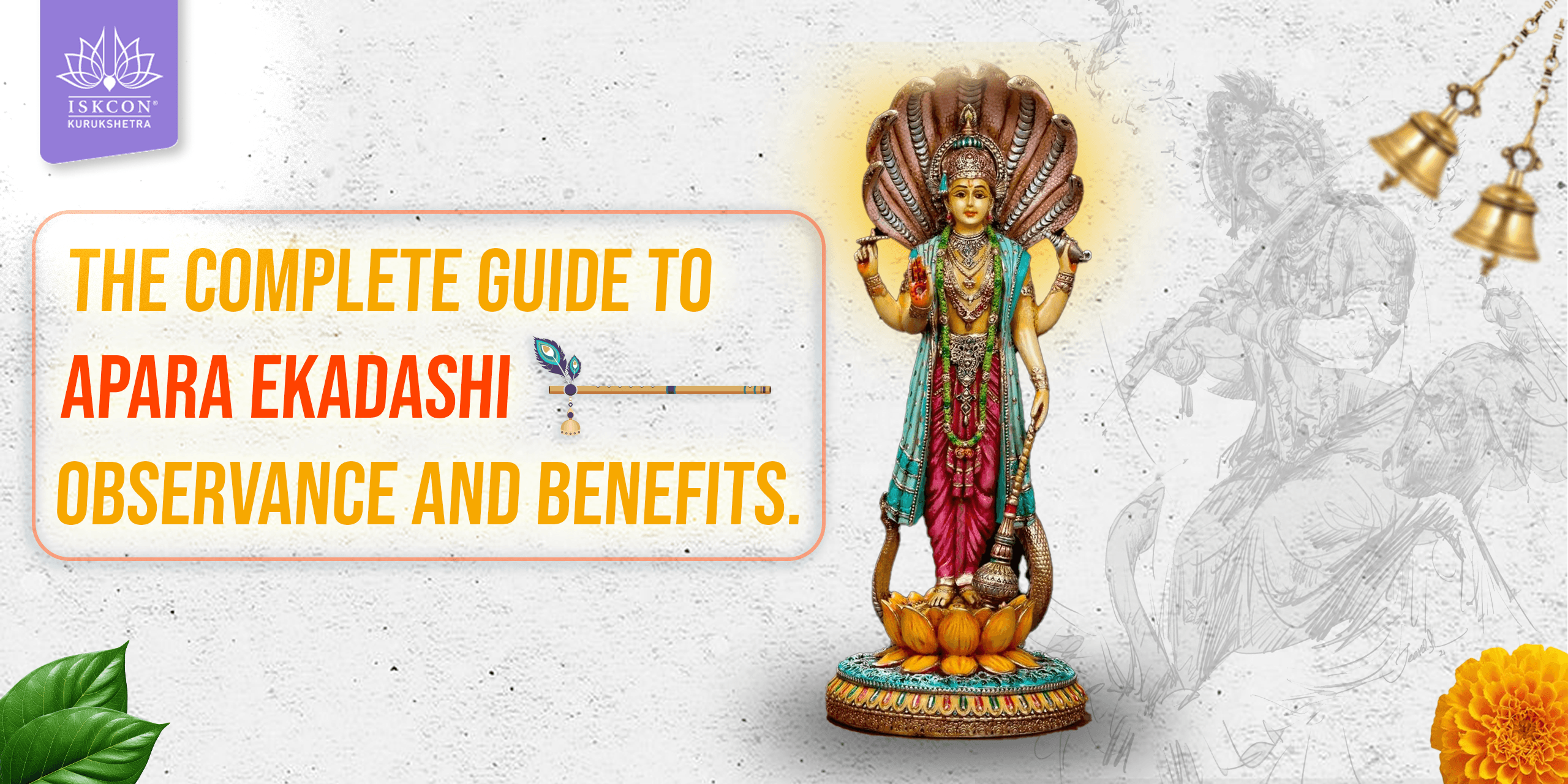
Ekadashi
The Complete Guide to Apara Ekadashi Observance and Benefits
A comprehensive guide to every part of this spiritual fasting practice that cleanses the mind and gives spiritual wealth.
9 min read
Ekadashi
Mohini Ekadashi 2025 Significance Story Rituals Spiritual Benefits
I will tell you everything worth knowing about Mohini Ekadashi, from its meaning, legend, and rituals to the spiritual benefits of celebrating this day.
4 min read
Featured Article
Handpicked wisdom to inspire your spiritual journey

Utpanna Ekadashi 2025: Date, Vrat Vidhi and Significance
The word “Utpanna” signifies originated or born − and so the day of fasting is called Utpanna Ekadashi − the ‘existence’ of divine Goddess Ekadashi to elevate people and save them from sin. To believers of the ISKCON tradition (International Society for Krishna Consciousness), Utpanna Ekadashi is significant as it marks the first day of Vaishnava Ekadashis, and reflects a restoration in their determination and dedication to spirituality.
Browse by Category
Find topics that inspire your spiritual journey

The soul is neither born,
nor does it ever die.
– Bhagavad Gita (2.20)